
The volume shows how prototypes - understood as intentional and transitory objects - make it possible to imagine future scenarios, investigate materials and processes, understand complex data, and developmore informed design solutions.
Prototyping and Experiential Knowledge
Edited by Nithikul Nimkulrat, Silvia D. Ferraris, Francesca Mattioli

Prototyping and Experiential Knowledge. Unfolding shifting views on the use of prototypes in design research explores the evolving role of prototyping as a fundamental tool for transforming abstract ideas into concrete knowledge within design research and practice.
Organized into four thematic sections:
- Imagining the design process,
- Exploring the design process,
- Understanding the design process,
- Developing the design process.
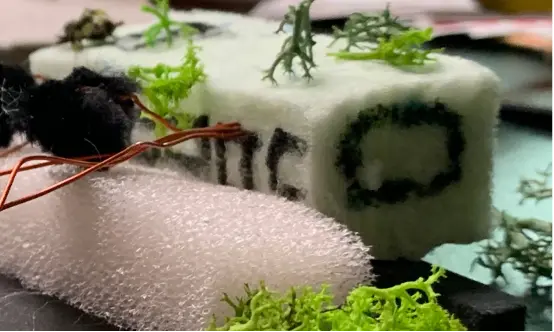
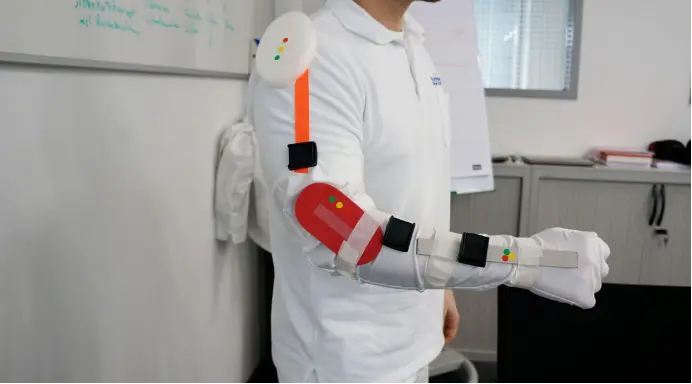
The book brings together interdisciplinary contributions ranging from biodesign to gaming, from virtual reality to assistive technologies, examining low-fidelity prototyping tactics, collaborative learning environments, multisensory translations of materials, data interaction, and the political dimensions of design. What emerges is the situated, relational, and epistemic nature of prototyping and its capacity to generate knowledge. The volume concludes by showing how prototyping goes beyond mere technical validation to take on pedagogical, ecological, and speculative functions, becoming a vehicle for interdisciplinary collaboration, critical reflection, and the negotiation of contemporary design challenges.
The book is available in the FrancoAngeli open access catalog.