
Against the backdrop of the increasing environmental footprint of electronic and digital devices, the book critically addresses the material, ethical and ecological challenges embedded in contemporary design practices. By analyzing the full life cycle of interactive products - raw material extraction, manufacturing, use, disposal and related environmental, health and social impacts - the authors highlight the limitations of technologies based on plastics, metals and non-renewable resources. At the same time, they reveal the regenerative potential of living materials. The book introduces the paradigm of Designed Interactive Living Systems (DILS), interactive systems in which living materials actively participate in interactions. This approach shifts the perspective from human-centered to multispecies and more-than-human, reframinginteractivity as a distributed process among organisms, technologies and environments.
Living Interaction Design
By Valentina Rognoli, Elena Albergati, Barbara Pollini and Carla Langella
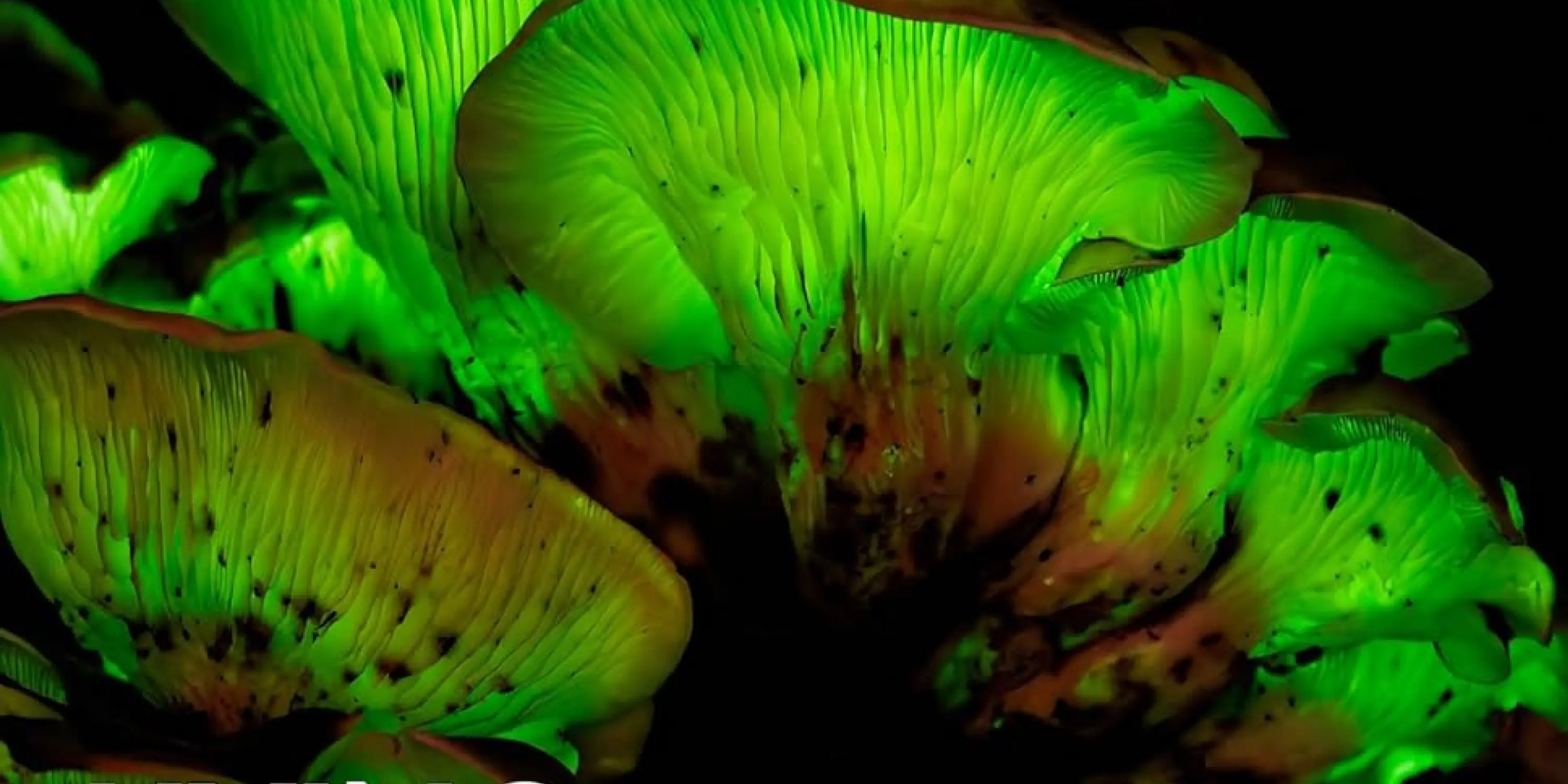
Living Interaction Design. The Transition Towards Designed Interactive Living Systems for Regenerative Ecologies brings together interaction design and the emerging field of biodesign, offering a groundbreaking exploration of living and biofabricated materials within interactive artefacts.
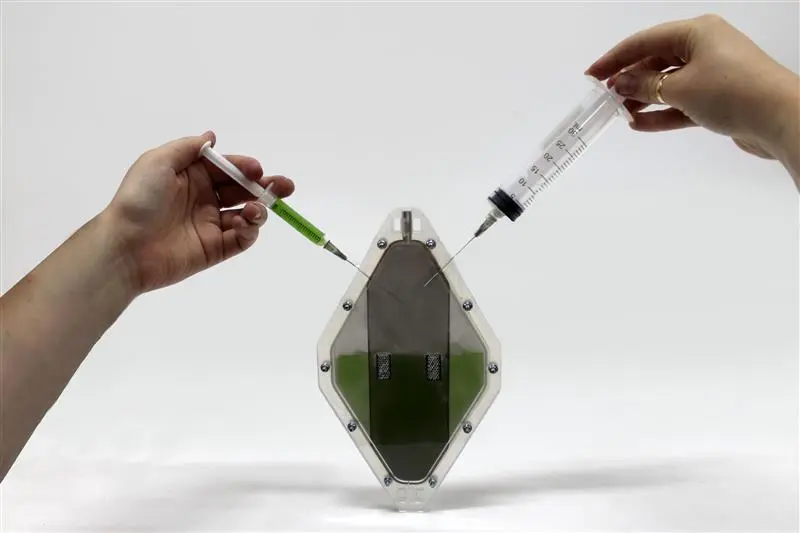
The volume explores:
- the environmental impact of electronic and interactive devices;
- biobased materials for electronic and interactive systems;
- the foundations and real-world applications of DILS;
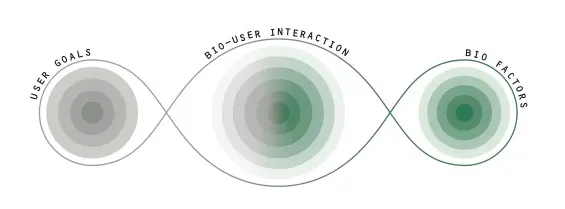
- interaction mapping within living systems through Bio-UX;
- biolabs as hybrid spaces for design, science, computing and sustainability;
- the post-anthropocentric vision fostered by DILS.
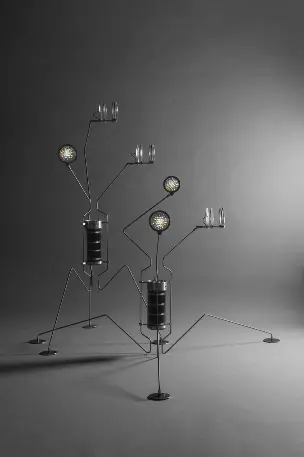

Featuring an extensive selection of illustrated case studies - ranging from organic electronics to living technologies and experimental prototypes - the book provides critical tools and design maps supporting the development of future DILS. Through theoretical reflections, applied research and speculative scenarios, the authors portray the designer as a biodesigner: a figure capable of collaborating with living organismsand envisioning regenerative interactive systems that transform our relationship with technology, matter and life.
This publication represents an essential contribution for students, scholars and practitioners interested in the emerging intersections between biology, sustainability and interaction design, at a moment in history when the transition towards regenerative ecologies is not only desirable but imperative.
The volume is available on the Routledge website.