
Designing yachts in the digital era
By Arianna Bionda

A text about the future of yacht design, wheredigitaltechnologies, data, and innovationredefineprocesses, roles, and visions of contemporary design.
The book explores the profound transformation that the yacht design sector is undergoing in the current context of digital and industrial transition. The result of over ten years of research, the volume investigates the role of computational technologies, advanced manufacturing, and data-driven systems in reshaping processes, roles, and disciplinary boundaries within the world of yachting.
Designing Yachts in the Digital Era by Arianna Bionda has been published by FrancoAngeli.
The project stems from the intent to understand how digital evolution is affecting contemporary design practices, placing yacht design at the center of a broader rethinking of the relationship between design, production, and user experience. Within this framework, Designing Yachts in the Digital Era proposes a new paradigm of Advanced Design, capable of integrating emerging technologies, sustainability, and customization within a systemic approach.

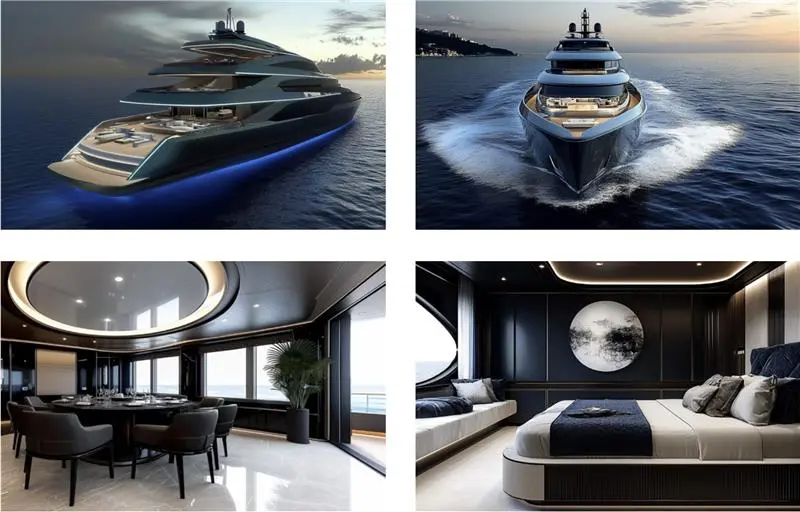
The research adopts the Strategic Foresight framework (Hines & Bishop, 2006), structured in six phases — Framing, Scanning, Forecasting, Visioning, Planning, Acting — to explore future scenarios and innovation strategies. Through a combined approach of Research for Design and Research through Design (Jonas, 2007), the volume intertwines theoretical reflection and practical experimentation, making co-design a tool for knowledge generation and value creation. The investigationincludes industrial mapping, expert workshops, field observations, and scenario studies, offering a dynamic and interdisciplinary picture of the ongoingtransformation.

The findings reveal that the integration of digital technologies in yacht design is still in its early stages. Real-time data, connected systems, and generative algorithms are rarelyemployed in the initial design phases, leaving a gap between performance simulation and livedexperience. At the same time, a new generation of users demands flexible layouts, sustainable materials, and digitally enhanced on board environments, pushing ship yards and designers toward more responsive, customizable, and sustainable practices. The volume proposes to conceive the yacht as a hybrid, adaptive, and intelligent system, in dialogue with its environment, users, and digital twin. This vision redefines the role of the designer as a strategic mediator between technology, culture, and sustainability.
Addressed to scholars, designers, and professionals, Designing Yachts in the Digital Era provides theoretical foundations and methodological tools to rethink yacht design in the age of digital transformation. The book invites readers to view design not merely as form or engineering performance, but as a form of strategic intelligence capable of anticipating futures, orchestrating complex systems, and guiding the sector’s transition toward a new paradigm of innovation and responsibility.
Designing Yachts in the Digital Era is available in Open Access from FrancoAngeli.